
Meet one of the teen volunteers helping shape the future of McWane Science Center. Recent…

Unveiling Our Basilosaurus Skeleton in the Lobby
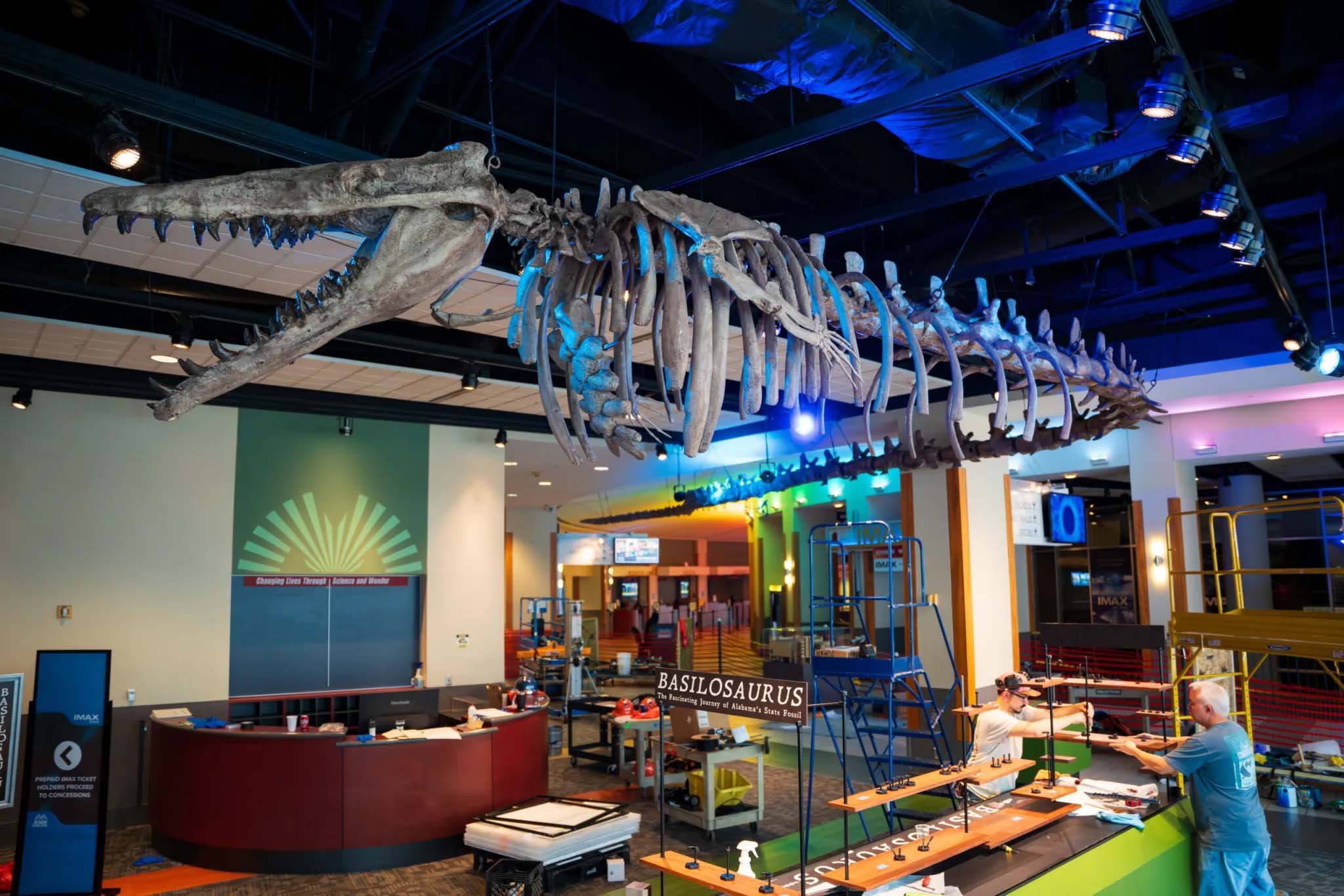
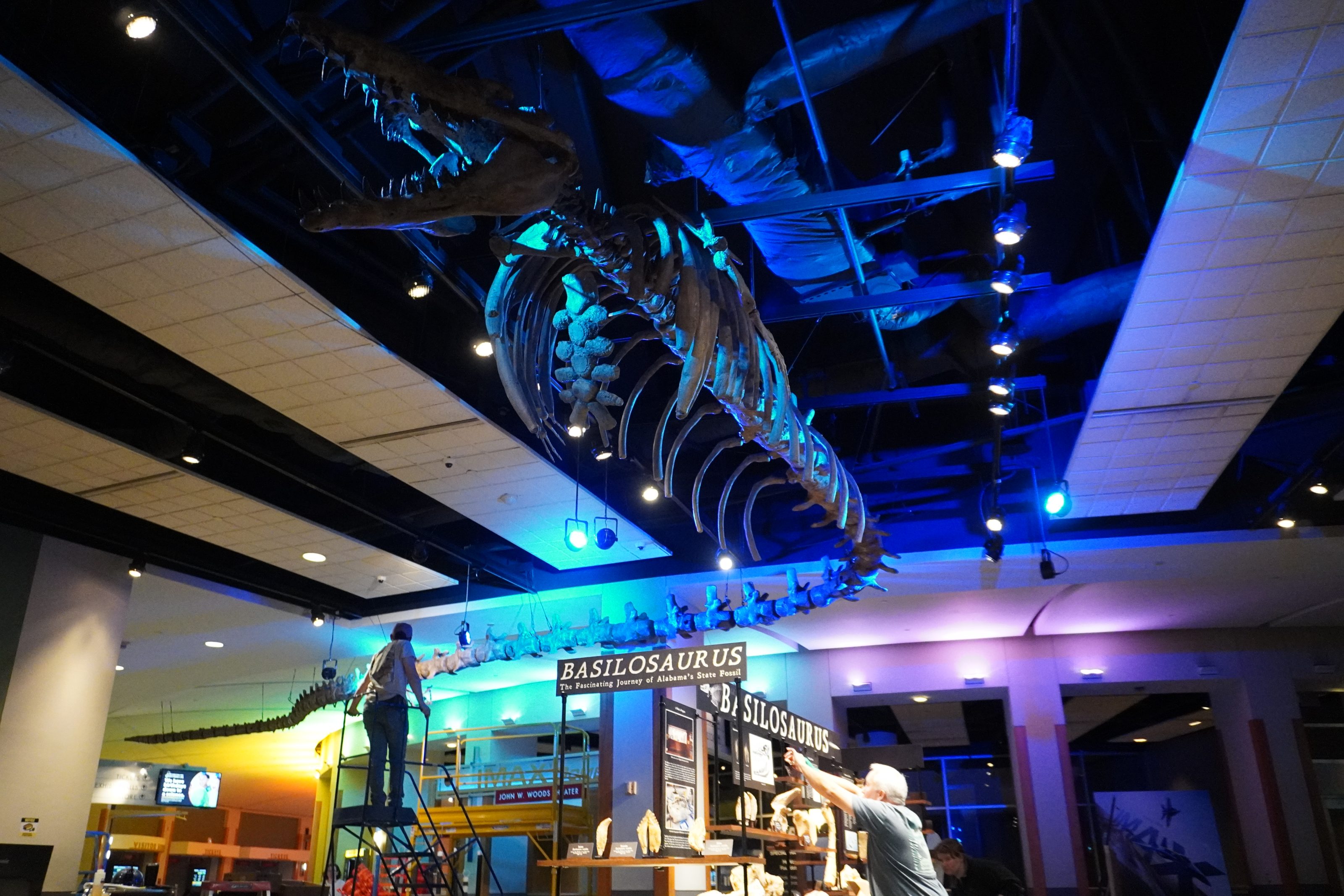
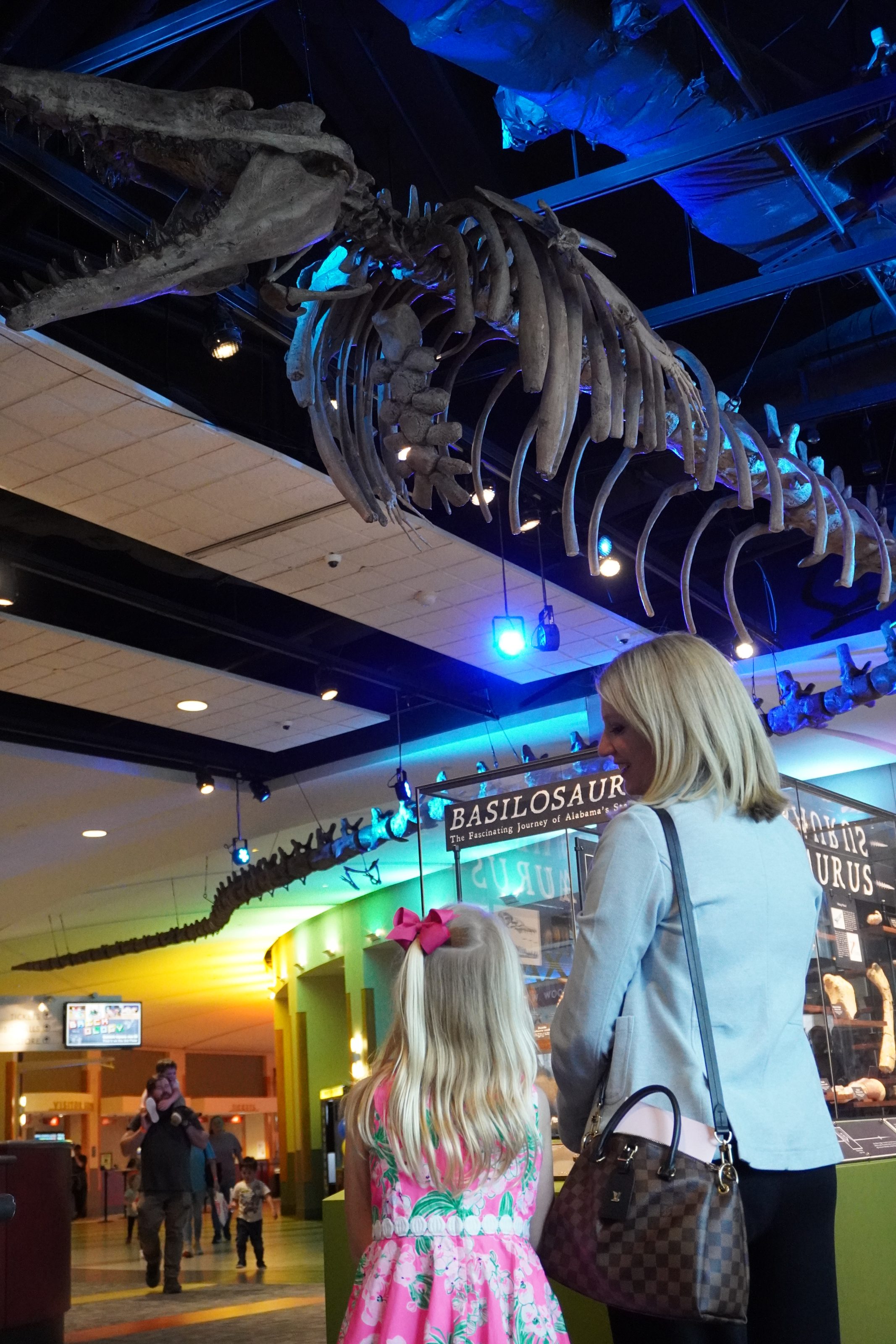
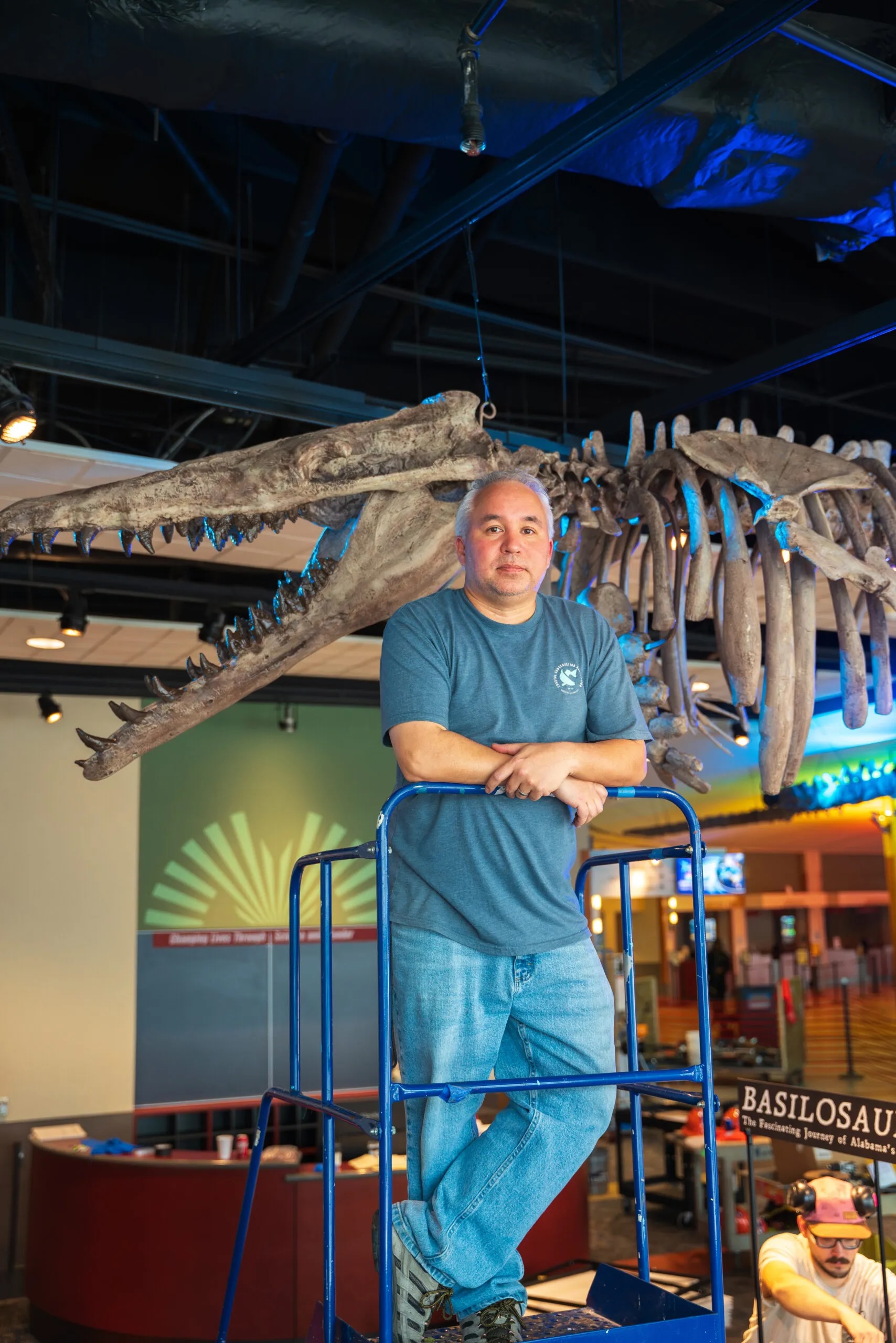
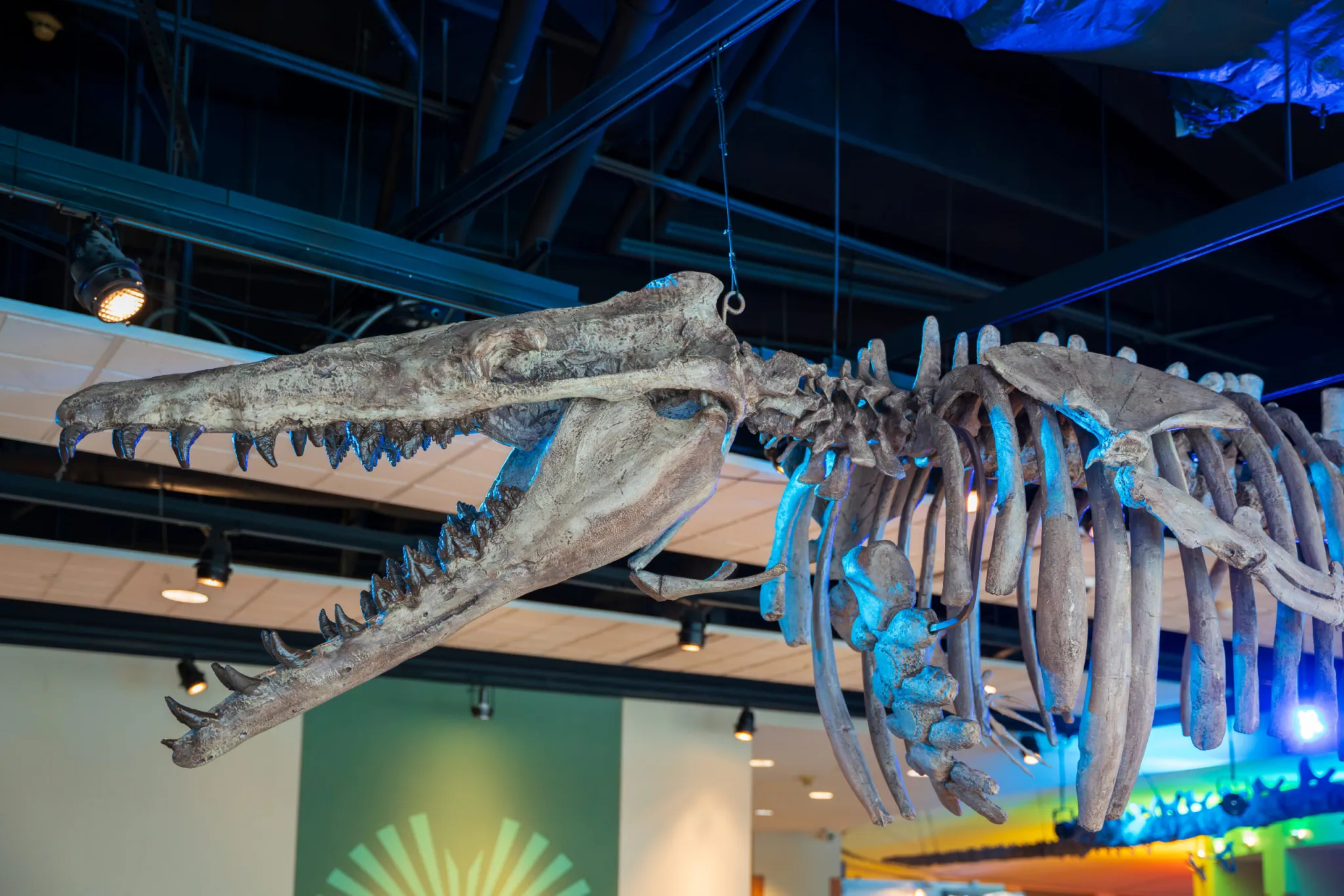
On February, 14th, McWane Science Center will unveil a newly installed Basilosaurus skeleton in its main lobby, offering visitors a striking introduction to Alabama’s deep natural history. The new exhibition was made possible through the generosity of Birmingham’s own Killion family, including McWane Science Center Board of Trustees member David Killion.
This dramatic fossil whale reconstruction celebrates Alabama’s unique paleontological legacy while providing guests with an up-close look at one of the most fascinating prehistoric marine mammals ever discovered.
The story of Basilosaurus is deeply tied to both science and Alabama history.
“Alabama is one of the best places in the world to find these gigantic fossil whales, which is why in 1984 the Alabama Legislature designated Basilosaurus the Official State Fossil,” explains McWane Science Center paleontologist, Jun Ebersole. “The history of Basilosaurus is perhaps the most interesting of any fossil I’ve ever encountered. In the 1830’s and 1840’s, the world’s scientific elites engaged in a global debate regarding the affinity of this animal. Some thought it was a dinosaur, while others advertised it as the ‘Leviathan from the Book of Job.’ However, scientists were later able to determine that Basilosaurus was instead a giant fossil whale.”
Beyond scientific curiosity, discoveries of Basilosaurus indirectly influenced Alabama’s industrial growth. During an 1845 visit to study the fossil, renowned geologist Charles Lyell noted the rich combination of iron ore, coal, limestone, and water in Jones Valley, resources that later fueled Birmingham’s iron industry and contributed to its rise as the “Magic City.”
The mounted skeleton that will be greeting guests at McWane represents the most accurate reconstruction of this ancient whale ever exhibited. Because no complete skeleton exists, the display was carefully reconstructed from multiple specimens. Much of this reconstruction is based on a partial skeleton discovered in Mississippi in the early 2000s. Ebersole collaborated with Triebold Paleontology, Inc. of Colorado to digitally scan, 3D print, and assemble bones from several real specimens, resulting in an unusually precise representation compared with earlier reconstructions that relied heavily on carved elements.
Basilosaurus cetoides was officially designated Alabama’s State Fossil in 1984. The designation specifically referenced two important specimens: a composite skeleton now displayed at the Smithsonian Institution, and a specimen originally housed at the former Red Mountain Museum, whose collections are now part of McWane Science Center. Portions of that historic specimen can now be seen on display.
This new exhibit is included with regular admission, inviting guests of all ages to explore Alabama’s ancient seas and remarkable fossil record.
For more information on McWane’s Natural History Collection, visit our Collections Page.
Pictures by Nathan Watson, Bham Now & Pearl Langley, McWane Science Center.


Related Posts


